Aliens: Fireteam Elite 2 Studio Cut a Third of Its Staff Weeks After Launch
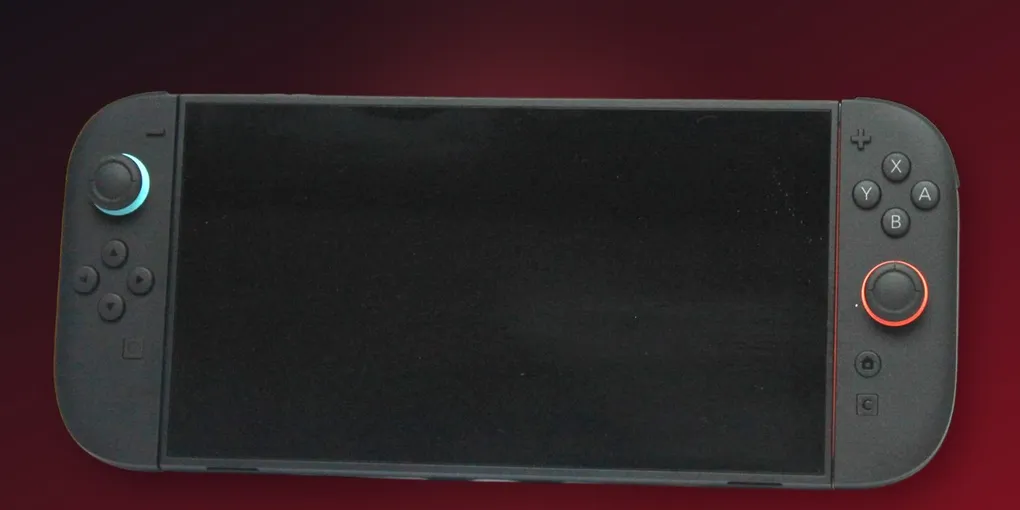
Five weeks ago, Enad Global 7 finished buying Cold Iron Studios outright, calling it a move to give the company “greater control” over the developer’s roadmap. This week, that roadmap got a lot smaller: according to Insider Gaming, Cold Iron laid off at least 19 people on September 25 and pushed the Nintendo Switch 2 version of Aliens: Fireteam Elite 2 — due out this week — back to early 2027.
A studio EG7 just finished buying
Cold Iron’s relationship with its parent company had already gone through several stages before this. Swedish holding company Enad Global 7 (EG7), through its Daybreak Game Company subsidiary, had backed Cold Iron as a partner for years, including an additional investment of up to $6.5 million disclosed earlier this year to keep Aliens: Fireteam Elite 2 on track. On August 19, EG7 converted that partnership into outright ownership, paying $3 million to acquire Cold Iron’s assets, intellectual property, and its license to the Alien film franchise, with all Cold Iron staff transferring directly to Daybreak. EG7 said the deal would align “Cold Iron’s development roadmap” with its own strategic objectives and simplify governance across the group.
Six days later, on August 25, Aliens: Fireteam Elite 2 launched on PC, PS5, and Xbox Series X|S.
A launch that needed patching, not celebrating
The sequel to 2021’s Aliens: Fireteam Elite landed to mixed reviews, settling around a 66 on Metacritic. Critics praised the expanded customization and co-op systems but flagged recurring performance issues and criticized some new enemy designs, including mechanical spider-type xenomorphs that drew complaints for being more frustrating than scary. Cold Iron spent the following weeks patching rather than promoting: a PC-focused hotfix landed September 2, followed by a larger September 17 update targeting framerate drops, stutter, and crashes, with the studio saying more performance work was still planned.
That patch cadence is the backdrop for what came next. A studio actively working through a rocky, still-being-fixed launch is not where you’d expect a major staff cut to land — but that’s exactly what happened eight days after the September 17 patch.
The cuts, and what’s confirmed
EG7 announced the staff reduction on September 25, framing it as a step to “secure sustainable operations” at Cold Iron after adjusting its cost base post-launch. The company hasn’t published an exact headcount, but Insider Gaming reports at least 19 people were let go — out of a studio public records put at somewhere between 50 and 70 employees, meaning the cuts likely touched somewhere between a quarter and a third of the team. Cold Iron said in a statement that it “remains dedicated” to supporting Aliens: Fireteam Elite 2 and plans to share a content roadmap “in the coming weeks,” but didn’t specify which roles or disciplines were affected.
The most concrete casualty is the Nintendo Switch 2 port. It had been on track for a September 29 release — tomorrow, as of this story — putting it just days away from launch when the layoffs were announced. That version is now delayed to early 2027, with outlets covering the announcement reporting it as a direct result of the smaller team rather than any new technical issue with the Switch 2 build itself.
Why a mid-size studio’s layoffs are worth watching
Cold Iron isn’t a headline-grabbing name like the Xbox studios that have dominated this year’s restructuring coverage, and its cuts are a fraction of the size. But the sequence here — a publisher spends years and a fresh $3 million to lock down full ownership of a studio, ships that studio’s flagship sequel to a mixed reception, and then cuts a third of the staff and delays a nearly-finished console port within five weeks — is a compact, unusually well-documented example of how little runway even a newly-consolidated, directly-owned studio gets after a merely-okay launch. It’s the same profit-and-layoffs tension the industry has wrestled with all year, just playing out on a smaller stage with cleaner paperwork than most.
For more on how that tension has played out at bigger studios, see our coverage of Xbox’s 2026 restructuring and the industry-wide look at record profits alongside record layoffs.