NIS America CEO Says Sony Talks on Physical Game Discs Are Ongoing
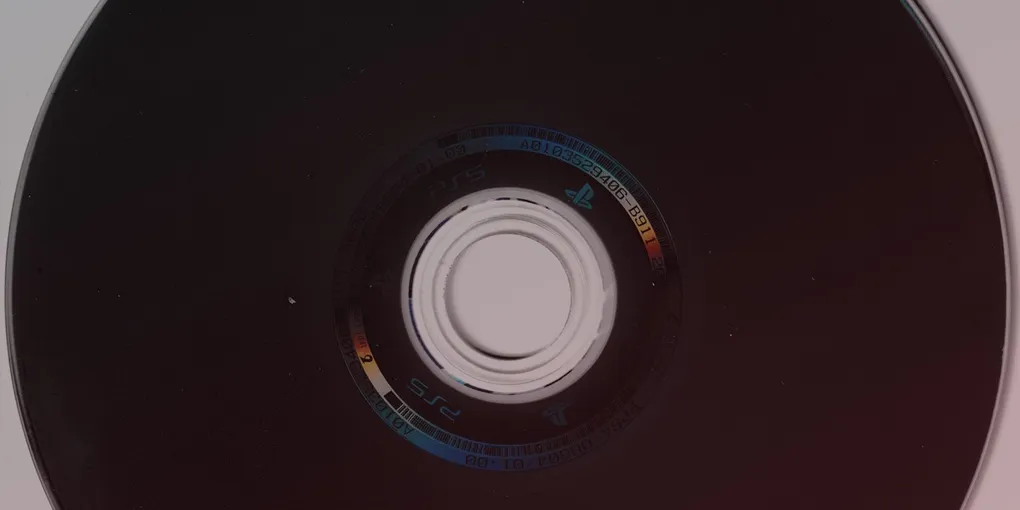
Sony’s plan to stop manufacturing physical PlayStation game discs isn’t sitting well with the publishers whose entire business model runs on limited-edition boxes and collector’s shelves. At PAX West, Kenzo Saruhashi — CEO of Nippon Ichi Software and newly installed president of NIS America — told Kotaku he’s actively talking with Sony about it, and that the outcome isn’t settled yet.
What Saruhashi actually said
According to Kotaku, Saruhashi confirmed he’s having “discussions” with Sony about the disc situation, and made clear why NIS America in particular has skin in the game: physical releases, especially limited editions of niche RPGs like the Disgaea series, are “a big part of our business model, particularly with NISA.” He struck a notably measured tone about where those talks are headed, saying he believes Sony “is hearing a lot of the feedback from customers” and that “it’s possible that the discussion may change in the future.” He didn’t rule out NIS America falling back to a code-in-a-box model if physical media disappears entirely, but he also didn’t treat that as the only possible outcome.
That tone is worth noting because it’s a departure from how the same issue was framed when Sony first announced the change. Former NIS president Sōhei Niikawa reacted to the initial news with sharper pushback, suggesting Sony might as well “kill the hardware too” if physical discs were going away — a far more combative read on the same decision. Saruhashi, in the CEO seat now, is choosing a diplomatic approach instead, which suggests the company sees more value in staying at the table with Sony than in publicly relitigating a decision that’s already been made.
Why this is bigger than one publisher
Sony’s plan would end physical disc manufacturing for PlayStation around 2028, and while that reads as a background detail for most big-budget, digital-first publishers, it’s a direct threat to studios like NIS America that have spent years building a reputation on physical collector’s editions — art books, soundtracks, and packaging aimed at a fanbase that specifically wants something to put on a shelf. Losing that option doesn’t just change a SKU; it removes a meaningful chunk of what makes a niche RPG publisher’s premium editions worth paying extra for in the first place. That’s presumably why Saruhashi is engaging directly with Sony rather than simply announcing a digital-only future the way some larger publishers already have.
The AI comment, in the same conversation
In the same interview, Saruhashi also addressed AI in game development, and his framing was notably skeptical of the industry’s efficiency pitch for it. Nippon Ichi and NIS America aren’t currently using AI in development, he said, but the company is “researching it, because we know that there are a lot of companies right now that are utilizing AI.” He pushed back on the idea that AI adoption is primarily about speed, saying “I don’t think that utilizing AI will necessarily make things faster,” and set a different bar for whether the company would ever use it: “does it improve the quality of the end product?” He also acknowledged broader unease in the industry, saying he can “definitely feel there’s a certain sense of pressure in the creative industry as a whole” coming from AI’s rise. It’s a rare instance of a studio head naming that pressure directly rather than either dismissing AI concerns or over-promising what the technology will do for development timelines.
What to watch next
Neither the disc talks nor NIS America’s AI research have a resolution date attached, and Sony hasn’t publicly responded to Saruhashi’s comments. But the contrast between his measured tone and Niikawa’s earlier criticism suggests publishers are still working out whether cooperation or public pressure gets better results as Sony’s 2028 deadline gets closer — and NIS America, with more riding on physical media than most, has clear incentive to keep pushing quietly rather than walk away from the conversation.
For more on how AI is reshaping expectations inside game studios, see our coverage of AI in game development, and for another case of a platform holder’s business decision rippling through third-party publishers, read about PlayStation’s live-service strategy collapse.