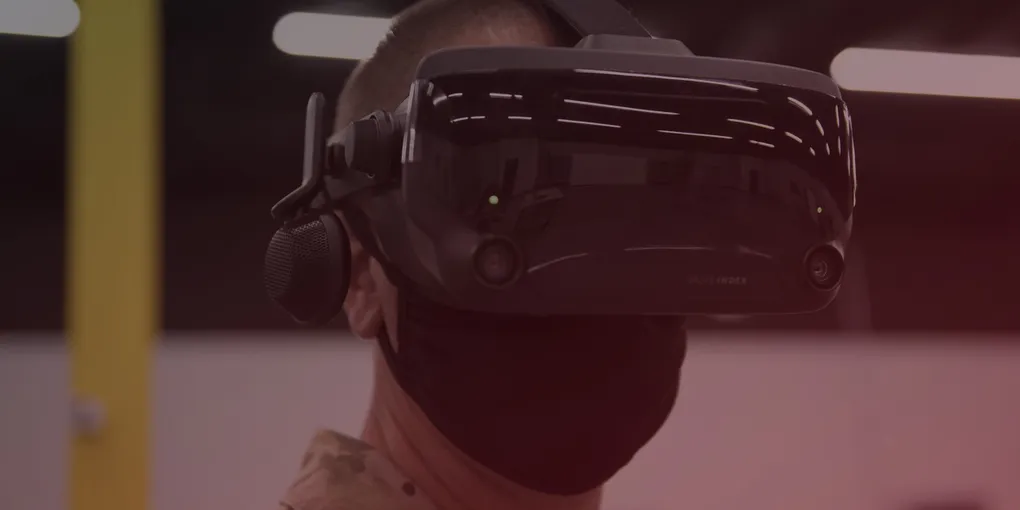
Valve's Steam Frame VR Headset Launches at $1,059, Squeezed by the Global Memory Shortage
Seven years after the Valve Index, Valve is finally shipping a new VR headset — and this time it doesn’t need a cable or a beefy gaming PC sitting next to it. Steam Frame, Valve’s first standalone headset, opened for orders on September 14, 2026, starting at $1,059 for the base model. It’s a genuinely new piece of hardware from one of the industry’s most influential platform holders, and the price tag tells its own story about the parts shortage currently squeezing the entire tech industry.
The price, and how to actually get one
Steam Frame comes in two storage tiers: $1,059 (£889, €1,049) for 256GB, and $1,299 for a 1TB model. Both include the headset, tracked controllers, and a wireless PC-streaming dongle — a power adapter is sold separately for $30, though Valve says any USB-C charger rated 45W or higher, including a Steam Deck charger, will work.
Rather than a standard storefront checkout, Valve is using the same randomized reservation system it introduced for the Steam Machine earlier this year. Sign-ups opened alongside the price reveal and close on September 17, after which Valve will shuffle the list and start emailing invites to purchase, with the first wave going out September 18. Demand is expected to outstrip the initial supply, so missing the window likely means a longer wait for a second batch.
What’s actually inside
Steam Frame runs on a Qualcomm Snapdragon 8 Gen 3 chip with 16GB of RAM, enough to run a respectable slate of standalone Android and native SteamOS content on its own, while leaning on PC streaming over a dedicated 6GHz Wi-Fi 6E connection for anything more demanding. It ships bundled with Half-Life: Alyx.
The headset uses dual 2160x2160 LCD panels across a 110-degree field of view, with a refresh rate that ranges from 72Hz up to 120Hz (and an experimental 144Hz mode for the adventurous). Four onboard tracking cameras handle inside-out positional tracking for the headset and its controllers, with eye tracking layered on top to enable foveated streaming — rendering detail only where the wearer is actually looking, to save bandwidth. At 440 grams, Valve says it’s kept the unit comparatively light by moving the battery into the rear strap, where it doubles as a counterweight.
A price shaped by the memory crisis
Valve didn’t originally plan to charge this much. According to Valve hardware engineer Joy Lyons, the team “set out to design this hardware with one particular price in mind,” but that target “shifted just due to the ongoing RAM crisis around the world.” That crisis is real and industrywide: contract prices for DDR5 memory have climbed more than 170% year-over-year, as AI data center buildouts absorb a huge share of global DRAM and storage supply — the same dynamic fueling scrutiny of AI hardware deals like Nvidia’s elsewhere in tech.
Steam Frame isn’t the only Valve hardware caught in the squeeze. The Steam Machine, Valve’s console-like living-room PC, launched earlier this year at $1,049 after its own price got revised upward for the same reason. Valve has been candid that the two devices effectively set a price ceiling for each other, and that further increases aren’t off the table if memory prices keep climbing.
What reviewers are saying
Early reviews, published alongside the order window opening, are largely positive on the hardware itself. Rock Paper Shotgun called it “another best-in-class VR headset by Valve,” while noting that “virtual realities clash with economic ones” at this price point. Multiple outlets praised the wireless streaming setup and the headset’s balance and comfort for long sessions, while flagging middling display contrast and the four-figure price as the headset’s biggest liability against cheaper standalone competitors.
For a company that hasn’t shipped new VR hardware since 2019, Steam Frame is a real bet that untethered, PC-quality VR still has an audience — just one that Valve is now asking to pay considerably more to join than it originally intended.
Curious how hardware pricing pressure is playing out elsewhere this year? Nintendo Switch 2 has been on a very different trajectory, outselling the PS5 in recent quarters — worth a look at how much console economics can vary even in the same rough climate.