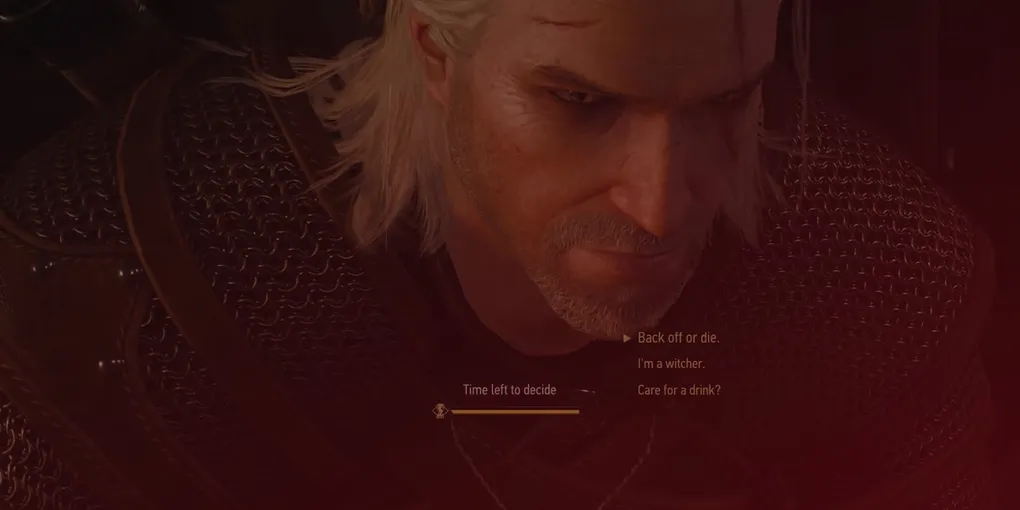
The Witcher 3: Wild Hunt Remastered Release Date, Platforms, and What Changed
Eleven years after it first shipped, The Witcher 3: Wild Hunt is getting the kind of overhaul most games never live long enough to see. CD Projekt Red’s Witcher 3: Wild Hunt — Remastered launches September 29, 2026, and the studio is giving it away free to anyone who already owns the base game — a move that says as much about the game’s staying power as it does about the studio’s priorities while its next big release stays years out.
What’s actually changing
The remaster isn’t just a resolution bump. CD Projekt Red says it covers upgraded visuals across the board, enhanced combat with new finisher animations, reworked effects for Geralt’s Witcher Signs, improved traversal and movement (including changes to mantling and climbing), revamped mount handling for Roach, and enhanced monster behaviors. There’s also a rebuilt skill tree, a transmogrification system for gear appearance, and an expanded photo mode. Players who currently own only the base game will additionally receive both expansions, Hearts of Stone and Blood and Wine, for free as part of the upgrade.
Platform-wise, the remaster is free for existing owners on PC (Steam, GOG, and Epic Games Store), PS5, and Xbox Series X|S. It’s also coming to Nintendo Switch 2 for the first time — the first time the full Wild Hunt experience, expansions included, has run on Nintendo hardware in this form.
A paid expansion is coming too
Alongside the remaster, CD Projekt Red confirmed a new paid expansion, Songs of the Past, developed in partnership with Fool’s Theory, a studio staffed partly by veterans of the original Witcher 3. It’s set in a newly built region called Letten, described as an outwardly idyllic rural land hiding a darker secret, and gives Geralt a new chain weapon capable of pulling enemies toward him alongside new monsters and returning characters. Unlike the remaster, Songs of the Past won’t be free — it’s slated to launch in 2027 on PC, PS5, Xbox Series X|S, and Switch 2.
Why CD Projekt Red is still investing in an 11-year-old game
The scale of this re-release only makes sense against how much The Witcher 3 still sells. CD Projekt’s own Q1 2026 financial report put lifetime sales past 65 million copies, up from 60 million reported a year earlier — meaning the game is still moving roughly 5 million copies annually more than a decade after launch. Few open-world RPGs from 2015 are still selling at that pace, and a free remaster ahead of a new paid expansion is a straightforward way to keep pulling in both new players and returning ones.
It’s also filling a gap. The Witcher 4, codenamed Project Polaris, is in full-scale production with a team of roughly 410 developers and built on Unreal Engine 5 rather than CD Projekt Red’s own engine — a first for the studio’s flagship series. But joint-CEO Michał Nowakowski confirmed ahead of Gamescom 2026 that the game is “targeting a 2028 release window,” asking players to “let the team cook” in the meantime. With the next mainline entry still at least two years out, a free, substantially reworked Wild Hunt gives CD Projekt Red a way to keep The Witcher relevant — and keep new hardware owners buying in — without rushing Polaris.
For a studio whose last major release, Cyberpunk 2077, took years to fully recover its reputation before becoming a 40-million-copy comeback story, leaning on its most reliably successful game while the next one cooks looks like the safer bet.
Curious how other studios are managing long waits between major releases? Blizzard’s WoW Classic strategy follows a similar playbook of keeping an older game fresh while a bigger project stays in development.